Skip to content

The Ultimate Car Service Checklist
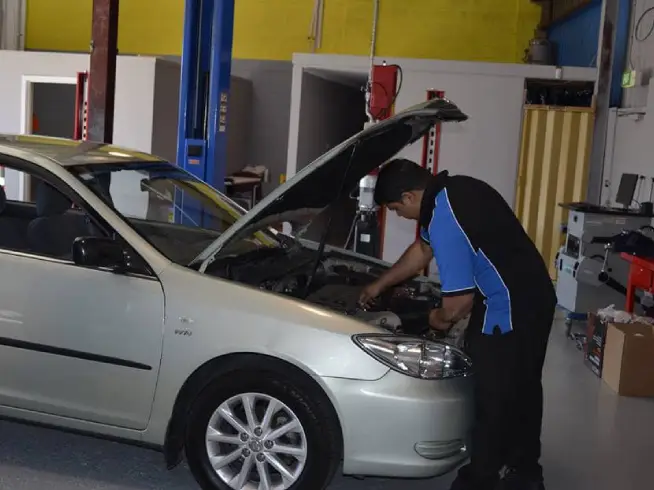
Your car gives you subtle warnings before something goes seriously wrong. Most drivers miss them. This is why you need a structured car service checklist. It ensures nothing slips through the cracks—not the worn brake pads, low coolant levels, or a tyre that’s quietly losing pressure.
Vehicle breakdowns strand millions of drivers each year, with a significant portion caused by maintenance issues that routine inspections would have caught. That statistic alone makes the case for systematic, professional servicing.
What separates a professional service from a quick DIY once-over is the depth and sequence of what gets inspected. So, whether you’re booking a standard scheduled maintenance or a comprehensive check, mechanics will follow a methodical process, not just guesswork. And understanding exactly what that process involves is where the real value lies.
What Is Included in a Full Car Service Checklist?
A thorough car servicing checklist covers far more ground than most drivers expect. It’s not a simple oil change or a quick look under the hood. A complete vehicle inspection covers dozens of individual components, grouped by how frequently they need attention.
Here’s what a full checklist typically covers:
Fluids: Engine oil, coolant, brake fluid, transmission fluid, and power steering fluid are all checked and topped up or replaced as needed.
Filters: Air, oil, cabin, and fuel filters are inspected for blockages or excessive wear.
Brakes: Pad thickness, brake disc condition, and brake lines are assessed for safety.
Tyres: Tread depth, pressure, and overall condition, including rotation checks.
Lights: All exterior and interior lighting is tested for proper function.
Battery: Charge capacity and terminal connections are evaluated.
Belts and hoses: Inspected for cracks, fraying, or signs of deterioration.
Suspension and steering: Checked for wear that could affect handling.
What separates a basic service from a major car service is how in-depth the latter goes. A well-structured checklist transforms even routine maintenance into a proactive safety system.
Want to know how long these inspections usually take? Read our guide on How Long Does a Car Service Take to understand the timeframe for different types of vehicle servicing.
Short-term Checks Mechanics Perform during Regular Servicing
While the previous section outlined the broad scope of a full car service checklist, it’s worth breaking down what happens during routine, shorter-interval visits—the ones that keep small issues from becoming expensive repairs.
Most manufacturers recommend these inspections every 10,000 to 15,000 km, although your driving habits and environment can shift that window. If you’re unsure about the ideal servicing schedule for your vehicle, read our guide on How Often Should You Service Your Car to understand recommended intervals based on vehicle type and driving conditions.
Here’s what a qualified mechanic typically covers:
Engine oil and filter: Oil degrades over time, losing its ability to lubricate and protect engine components. Fresh oil and a clean filter are non-negotiable at every routine service.
Tyre pressure and tread depth: Under-inflated tyres reduce fuel efficiency and handling.
Fluid top-offs: Coolant, brake fluid, power steering fluid, and windscreen washer fluid are inspected and replenished as needed.
Battery terminals and charging: Corroded terminals and weak charging are caught early before they leave you stranded on the road.
Lights and wipers: A quick but critical safety check that’s easy to overlook between services.
Remember, regular short-interval checks are the foundation upon which every other maintenance task is based.
Long-Term Items Included in a Full Car Service Checklist
While short-term checks keep your car running day-to-day, a comprehensive vehicle inspection addresses components that wear slowly over time. These are easy to overlook until they fail at the worst possible moment.
A longer interval car servicing checklist typically covers the following items:
Timing belt or chain: Most manufacturers recommend replacement between the 60,000 and 160,000 km mark. A snapped timing belt can cause catastrophic engine damage, making this one of the costliest items to neglect. Timing belt replacement is among the most critical scheduled services a driver should never forget.
Spark plugs: These ignite the fuel-air mixture in your engine. Worn plugs reduce fuel efficiency and can trigger misfires.
Coolant flush: Degraded coolant loses its ability to prevent corrosion and regulate engine temperature effectively.
Transmission fluid: Old fluid accelerates internal wear and can lead to expensive transmission failure.
Battery health assessment: Batteries typically last three to five years. During a full service, the mechanic will load-test the battery to catch any signs of failure.
Long-term servicing is what separates reactive repairs from genuine preventive care. Catching potential issues during scheduled servicing rather than after a roadside breakdown can save significantly on repair costs.
Seasonal Checks Mechanics Perform During Servicing
Beyond routine and long-term maintenance, a thorough car service checklist also accounts for seasonal demands because what your car needs in winter isn’t the same as what it needs in summer. A smart mechanic will factor in climate, driving conditions, and time of year when working on your vehicle.
Here’s what seasonal servicing typically covers:
Battery performance: Extreme temperatures, especially cold weather, affect battery output. It reduces battery capacity significantly, making pre-winter testing essential.
Tyre pressure and tread depth: Pressure drops in colder months and spikes in the heat. Both extremes affect handling and fuel efficiency.
Coolant concentration: Mechanics will check antifreeze levels and mixture ratios to protect against freezing in winter and overheating in summer.
Wiper blades and washer fluid: Summer UV rays and winter ice both degrade windscreen blades quickly. Fluid formulation also matters, depending on the ambient temperature.
Air conditioning and heating systems: These are checked before the seasons change, so you’re never caught unprepared.
Seasonal maintenance isn’t optional. It’s what separates a car that performs well all year-round from one that fails when conditions get tough.
Safety Checks Included in a Professional Car Service Checklist
Beyond fluid levels and seasonal adjustments, a full car service checklist always prioritises safety-critical systems. These aren’t optional; they determine whether your vehicle can protect you in an emergency.
Here are the core safety inspections mechanics perform:
Brake system inspection: Pads, discs, callipers, and brake fluid are all evaluated. Worn pads or low fluid can dramatically increase stopping distance, so they’re fixed.
Steering and suspension: Mechanics check for excessive play in the steering column, worn ball joints, and damaged shocks or struts that compromise vehicle control.
Tyre condition and pressure: Beyond tread depth, technicians look for sidewall cracks, uneven wear patterns, and correct inflation for all tyres, including the spare.
Lighting systems: Headlights, brake lights, indicators, and hazard lights are tested to confirm full visibility and legal compliance.
Seat belts and restraints: Latches, retractors, and webbing are checked for damage or failure.
Horn and windscreen wipers: Simple but legally required safety components that are often overlooked.
Paired with an oil change, these safety checks form the foundation of any responsible auto servicing. A vehicle that passes a full safety check isn’t just roadworthy. It’s genuinely prepared to protect everyone inside it.
What You Can Check Yourself vs What Mechanics Should Inspect
Knowing where your responsibilities end and a professional’s begins is one of the most crucial things a driver should understand. Some car service checklist tasks are straightforward enough to be handled in your driveway. Others, particularly anything involving the brakes, suspension geometry, or emission diagnostics, require specialised equipment and trained hands.
DIY-friendly checks you can do at home include:
Tyre pressure: Check monthly, or before long trips, using a basic gauge—refer to your door placard for correct PSI.
Windscreen washer fluid: Top off washer fluid between services and after long drives.
Wiper blade condition: Look for streaking or skipping and replace blades as needed.
Exterior lights: Walk around and visually confirm all the bulbs are working.
Likewise, leave the following to a professional:Brake pad and disc condition: Accurate measurement and inspections require a micrometre and lift access.
Wheel alignment and balancing: Requires calibrated alignment equipment.
Battery load testing: A visual check won’t reveal a battery that’s on the verge of failure.
Fluid contamination assessment: Colour and consistency differences are subtle and easy to misread unless it’s checked by a specialist.
Recommended Service Intervals for Vehicle Maintenance
Knowing what gets inspected is only half the equation. Knowing when to schedule that inspection is equally important. Staying on top of a car servicing checklist interval protects your investment and prevents small issues from becoming costly repairs.
Here are the most commonly recommended intervals to follow:
Every 5,000-10,000 km: Oil and filter change, tyre rotation, and a basic engine inspection to catch early warning signs like leaks or unusual wear.
Every 15,000-20,000 km: Air filter check, brake inspection, fluid top-ups, and battery condition assessment.
Every 30,000 km: Fuel filter replacement, transmission fluid check, and a thorough review of belts and hoses.
Every 60,000 km: Spark plug replacement, coolant flush, and comprehensive drive-train inspection.
Annually: Full safety check regardless of mileage, particularly for vehicles used in stop-start urban driving under heavy traffic.
When you put this checklist into action, you’ll notice the vast improvement in overall vehicle performance.
Book Your Professional Car Service with Breeze Auto Service Today
Keeping up with a proper service interval by using a checklist is the best way to ensure your vehicle stays safe and performing at its best. At Breeze Auto Service, our experienced car mechanics in Cranbourne follow a detailed full car service checklist to inspect every critical component of your ride. This helps us detect issues before they deteriorate and become costly repairs.
So, if you’re looking for professional car servicing you can trust, give us a call on (03) 5996 2965 / 0469 815 315 or email us at manny@breezeautoservice.com.au to book your next service with us today.