Skip to content

What Does a Roadworthy Inspection Cover?
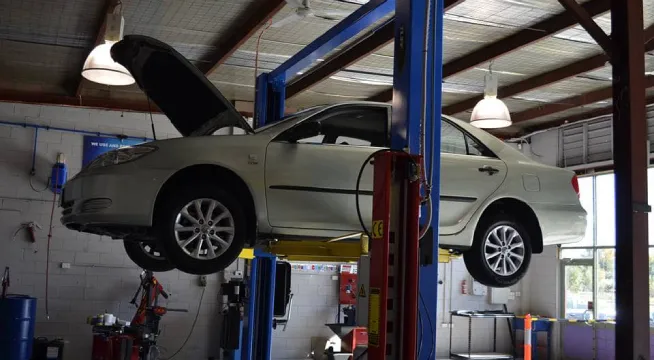
If you are selling a vehicle, transferring registration, or re-registering a car in Victoria, you may need a Roadworthy Certificate (RWC). A roadworthy inspection checks whether your vehicle meets the minimum safety standards required for Victorian roads.
Many drivers assume an RWC is a full mechanical inspection. In reality, the inspection mainly focuses on safety-related components that affect how reliably the vehicle operates on the road. This guide explains “what does a roadworthy inspection cover,” common reasons vehicles fail, and what this certificate does not cover.
What Is Checked in a Roadworthy Inspection?
When licenced vehicle testers carry out a roadworthy inspection, they assess several key safety systems across the vehicle. The goal is to identify worn, damaged, or unsafe components that may put drivers, passengers, or other road users at risk. Understanding a standard Roadworthy Inspection checklist can also help you prepare your vehicle before attending an RWC inspection in Victoria.
The exact requirements follow Victorian road safety standards and official Standards Information guidelines. Below is a general overview of the key things included in a Victorian Roadworthy Certificate checklist:
Tyres and Wheels
Tyres play a major role in braking, handling, and overall road safety. Inspectors check whether your tyres meet legal standards and are safe for road use. They inspect:
- Minimum tread depth of 1.5 mm
- Uneven tyre wear
- Cracks, bulges, or exposed cords
- Correct tyre fitment
- Damaged or cracked wheels
Worn tyres can reduce grip, especially in wet conditions, increasing stopping distance and affecting vehicle control.
Brakes and Brake Components
Your braking system must operate correctly to pass a roadworthiness inspection. Inspectors check:
- Brake pad and disc condition
- Brake fluid levels
- Hydraulic leaks
- Brake pedal operation
- Handbrake functionality
Faulty brakes are one of the most common reasons vehicles fail inspection because they directly affect stopping performance and driver safety.
Steering and Suspension
A stable steering and suspension system helps your vehicle stay controlled while driving, braking, and cornering. The inspection covers:
- Steering free play
- Steering rack and linkages
- Shock absorbers
- Suspension bushes and joints
- Leaking suspension components
- Damaged or worn parts
If suspension components are excessively worn, the vehicle may become unstable or difficult to handle on uneven roads.
Lights and Electrical Components
All required lights must operate properly for visibility and communication with other drivers. So, this is what is checked in a Roadworthy Inspection of a vehicle:
- Headlights
- Brake lights
- Indicators
- Hazard lights
- Reverse lights
- Number plate lights
Electrical wiring and battery mounting may also be inspected for safety concerns.
Windscreen, Windows, and Wipers
Clear visibility is essential for safe driving, especially during poor weather conditions.
The Roadworthy Certificate checklist also includes:
- Windscreen cracks or chips
- Wiper condition and operation
- Washer functionality
- Window visibility
- Legal window tint compliance
Large cracks in the driver’s viewing area can cause a roadworthiness inspection failure.
Seats and Seatbelts
Seatbelts and seating systems must work correctly to protect occupants during an accident. Inspectors check:
- Seatbelt locking and retraction
- Frayed or damaged belts
- Secure seat mounting
- Seat adjustment operation
Damaged seatbelts are considered a serious safety issue and must be repaired before the vehicle can pass inspection.
Vehicle Body and Structure
Structural damage can weaken the vehicle and affect crash protection.
The car roadworthiness checklist in Victoria may include checking:
- Structural rust
- Chassis damage
- Door latches and hinges
- Bumpers and panels
- Bonnet and boot operation
Excessive rust around structural areas can make a vehicle unroadworthy.
Exhaust and Emissions
The exhaust system must be secure and free from major leaks. Inspectors may check for:
- Excessive smoke
- Exhaust leaks
- Damaged exhaust components
- Unsafe noise levels
- Missing emission control equipment
Engine and Driveline Safety
A roadworthiness inspection does not assess full engine health, but inspectors may check for visible safety-related problems, which include:
- Major oil leaks
- Loose engine mounts
- Damaged driveline components
- Unsafe underbody conditions
Mirrors, Horn, and Safety Features
Smaller safety items are also part of the inspection process. These include:
- Rear vision mirrors
- Horn operation
- Battery security
- Exposed electrical wiring
Even minor faults can cause an inspection failure if they don’t comply with the road safety requirements.
What Does a Roadworthy Inspection Not Cover?
Many vehicle owners get confused about what is checked in the RWC and what is not. An RWC confirms that a vehicle meets Victoria’s minimum safety standards at the time of inspection, but it is not a complete mechanical assessment or guarantee of future reliability.
A roadworthy inspection does not cover:
Internal engine or transmission condition
Long-term mechanical reliability
Future breakdown risks
Air conditioning performance
Infotainment and entertainment systems
Electric windows or power seat functions
Cosmetic damage such as dents, scratches, or paint condition
Upholstery wear and interior appearance
Fuel economy or engine efficiency
Hidden mechanical defects that are not immediately visible
Minor oil seepage, hidden rust, or internal component wear may also go unnoticed if they do not affect immediate road safety. If you are purchasing a used vehicle, arranging a complete mechanical inspection alongside the RWC is strongly recommended.
Common Reasons Vehicles Fail a Roadworthy Inspection
Many vehicles fail the inspection due to common wear and tear that affects safety and road compliance. Identifying these issues early can help you avoid unexpected repairs and repeat inspection fees.
Common reasons vehicles fail a roadworthiness inspection in Victoria include:
Worn or damaged tyres with tread below 1.5mm
Worn brake pads, discs, or brake fluid leaks
Faulty headlights, brake lights, or indicators
Oil, coolant, or fuel leaks
Worn suspension or steering components
Cracked windscreens affecting visibility
Damaged or faulty seatbelts
Structural rust or chassis damage
Following a basic roadworthiness inspection checklist before your booking can help you identify common safety issues early and reduce the risk of failing the inspection.
Roadworthy Inspection Checklist in Victoria
If you are preparing your vehicle for sale, registration transfer, or re-registration, understanding the inspection process can help you avoid unexpected issues. A Roadworthy Certificate checklist helps you understand the key safety components inspected to ensure your vehicle meets Victoria’s minimum road safety standards at the time of assessment.
The following table gives a simple breakdown of the most important areas covered during an RWC inspection:
| Component(s) | What Do Inspectors Check? |
|---|---|
| Wheels and Tyres | Tyres must have at least 1.5 mm tread depth and be free from cracks, bulges, or excessive wear. Wheels should be securely fitted with no visible damage or missing wheel nuts. |
| Steering and Suspension | Steering components are checked for excessive play, wear, or damage. Suspension parts such as shock absorbers, bushes, and joints must be secure and operating correctly. |
| Brakes | Brake pads, discs, brake fluid, and hydraulic components are inspected for wear or leaks. The handbrake must hold the vehicle effectively and operate correctly. |
| Seats and Seatbelts | Seats must be securely mounted and adjustable where required. Seatbelts are checked for damage, proper locking, and smooth retraction. |
| Lights and Electrical Components | Headlights, brake lights, indicators, hazard lights, and number plate lights must all function correctly. Battery mounting and basic electrical safety may also be inspected. |
| Exhaust System | The exhaust system must be secure, leak-free, and within acceptable noise limits. Emission control components should remain fitted and operational where required. |
| Windscreen, Windows, and Wipers | The windscreen should be free from major cracks or chips that affect visibility. Wipers and washers must operate properly to maintain clear vision during wet weather. |
| Body and Chassis | Inspectors check for structural rust, accident damage, and insecure panels. Doors, bonnet, and boot latches must open and close safely. |
| Engine and Driveline | Major oil leaks, damaged mounts, and unsafe driveline components may result in a failed inspection. Components must be securely mounted and safe for road use. |
| Other Safety Features | Rear vision mirrors, horn operation, battery security, and exposed wiring are also checked during the inspection process. |
Book Your Roadworthy Inspection in Cranbourne Today!
If you need a roadworthy certificate in Cranbourne, our team at Breeze Auto Service is ready to help. As a licensed vehicle tester, we carry out detailed inspections to ensure your vehicle meets Victoria’s minimum road safety requirements.
We provide RWC inspections from $179. You get honest advice, transparent service, and competitive pricing. If your vehicle requires repairs after inspection, you can also receive 10% off all RWC repairs over $1000. We aim to make the process simple, efficient, and stress-free for everyday drivers.
To book your roadworthy inspection with us, call us on 03 5996 2965 or 0469 815 315. Alternatively, you can send your enquiries to us at manny@breezeautoservice.com.au.
FAQs
A roadworthiness inspection in Victoria usually takes between 45 minutes and 2 hours, depending on the vehicle’s condition, age, and the workshop’s schedule. In some cases, inspections may take longer if additional checks are required.
If your vehicle fails the inspection, you will receive a rejection report outlining the repairs needed. In most cases, you have 14 days to complete the repairs and return to the same tester for a partial re-inspection without paying for a full inspection again.
In most private vehicle sales, a current Roadworthy Certificate is required to transfer registration in Victoria. However, you may be able to sell the vehicle without an RWC if you sell it unregistered, transfer it to a spouse or domestic partner, or sell it directly to a licensed motor dealer.
A Roadworthy Certificate in Victoria is generally valid for 30 days from the date it is issued. The certificate must still be valid when the registration transfer is completed.